What you should expect when your septic tank needs pumping:
Metro Septic Pumping is a leading company based in Stockbridge which provides professional septic pumping services in Atlanta and the entire state of Georgia. We provide dependable septic tank system cleaning, pumping, repair, installation, maintenance, and inspection in Atlanta, GA. Our professional offers a variety of reliable services including commercial septic maintenance and repair and much more. Whether you are looking for septic pumping near me, or septic tank service, we assure our customers 100% satisfaction.
Septic tanks are crucial in managing wastewater for homes not connected to a municipal sewer system. Regular maintenance, including pumping, is essential to keep your best septic system in Snellville functioning efficiently and avoid costly repairs. But what should you expect when your septic tank needs pumping? This comprehensive guide will walk you through the process and explain why it’s important.
Signs Your Septic Tank Needs Pumping
Before scheduling a pumping service, it’s important to recognize the signs that indicate your septic tank may be full or nearing capacity. Common warning signs include:
Slow Draining Fixtures: If sinks, showers, or toilets are draining slower than usual, it could signal a full tank or clogged pipes.
Foul Odors: Unpleasant smells around your yard or inside your home often point to an overfilled tank.
Pooling Water: Excess water near your drain field can occur when the septic system is overwhelmed.
Sewage Backups: This is a severe issue that indicates immediate attention is needed.
Lush Grass Over the Drain Field: While a green lawn is desirable, overly vibrant grass could mean your tank is leaking.
Preparing for Septic Tank Pumping
Once you identify the need for pumping, here’s how to prepare for the service:
Locate Your Septic Tank: Make sure the tank’s location is known and accessible. If unsure, consult your property’s layout or contact a professional.
Clear the Area: Remove any obstacles like vehicles, furniture, or debris that could hinder access to the tank.
Schedule a Professional Service: Choose a reputable septic company experienced in pumping services. Professionals have the tools and expertise to handle the job safely and efficiently.
What Happens During Septic Tank Pumping
Understanding the pumping process can help you know what to expect. Here’s a step-by-step overview:
Inspection: The technician will inspect your septic system, checking for any damage or signs of wear.
Accessing the Tank: They will locate the access points to the tank and open them. If the tank’s location is buried, digging may be required.
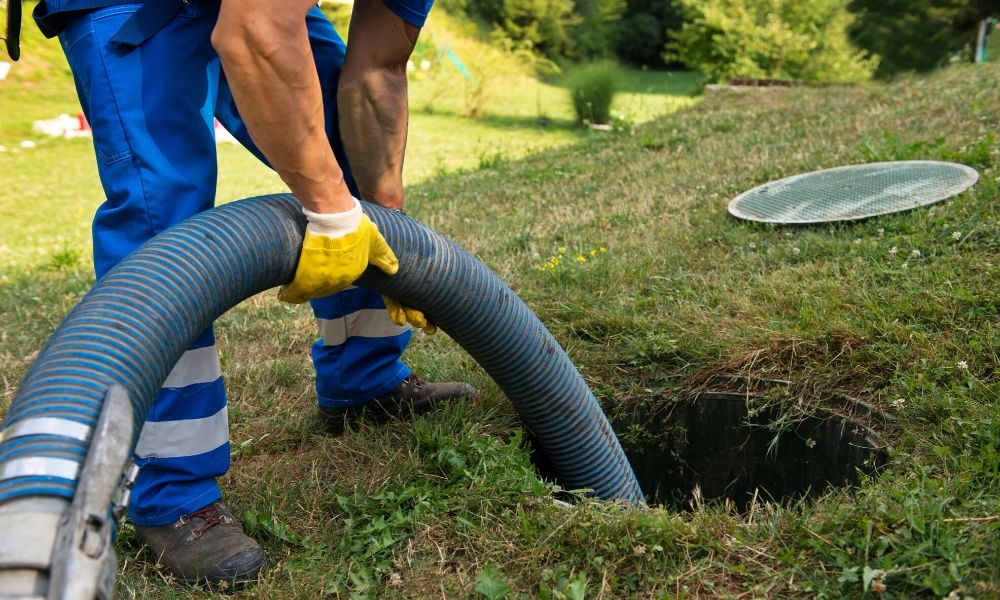
Pumping: Using specialized equipment, the professional will remove the sludge, scum, and liquid from your tank. A powerful vacuum pump transports the waste to a disposal site.
Cleaning the Tank: After pumping, the technician may clean the tank’s interior to remove residue, ensuring optimal functioning.
Inspection and Recommendations: Once the tank is empty, the technician will assess its condition and provide recommendations for any necessary repairs or maintenance.
How Often Should a Septic Tank Be Pumped?
The frequency of septic tank pumping depends on several factors:
Household Size: More occupants mean more wastewater, necessitating more frequent pumping.
Tank Size: Larger tanks can hold more waste and may require less frequent pumping.
Water Usage: Homes with high water consumption might need more regular maintenance.
Type of Waste: Non-biodegradable materials or excessive grease can fill the tank faster.
On average, septic tanks should be pumped every 3 to 5 years. Consult with a professional to determine the best schedule for your specific system.
Benefits of Regular Septic Tank Pumping
Routine pumping offers several advantages, including:
Prevents Backups: Regular maintenance reduces the risk of unpleasant and costly sewage backups.
Extends System Lifespan: Removing accumulated waste helps prevent damage and prolongs the life of your septic system.
Protects the Environment: Proper waste disposal prevents contamination of local water sources and soil.
Saves Money: Avoiding emergency repairs and system replacements can save thousands of dollars over time.
Choosing the Right Septic Pumping Service
Selecting a reliable company ensures the job is done correctly. Look for a service provider that:
Has Experience: Opt for technicians with years of experience and positive customer reviews.
Is Licensed and Insured: A reputable company will be licensed and carry liability insurance.
Offers Transparent Pricing: Choose a service with clear, upfront pricing to avoid hidden fees.
Provides Comprehensive Services: Companies that offer inspections, repairs, and maintenance in addition to pumping are ideal.
Conclusion
Septic tank pumping is a vital part of maintaining a healthy and efficient septic system. By recognizing the signs of a full tank, preparing for the service, and working with experienced professionals, you can ensure your system operates smoothly for years to come. Regular maintenance not only protects your property but also safeguards the environment—making it a smart investment for any homeowner.
